Sustainable Paper Packaging Made from Recovered Paper
Papier Sprick turns recovered paper into high-performance paper packaging solutions that protect products, keep materials in circulation and help businesses reduce the environmental footprint of their packaging.

Sustainability is reshaping packaging in the U.S.
Across the U.S., packaging requirements and expectations are evolving. Many businesses are rethinking their packaging decisions, with greater attention to recyclability, material efficiency, and waste reduction. In particular, state-level extended producer responsibility (EPR) programs and other state and local packaging requirements are adding new considerations for companies operating in the U.S. market.
For e-commerce, fulfillment and industrial packaging operations, this creates an opportunity to rethink protective packaging — and to consider paper-based solutions made from recovered materials.
PACKAGING PAPER MADE FROM 100% RECOVERED PAPER
At Papier Sprick, sustainability starts with the material itself. Our packaging paper is made from 100% recovered paper, giving used paper a new purpose as a protective packaging material.
By producing our own paper, we combine material recovery with decades of paper and packaging expertise. The result is recycled paper developed specifically for protective packaging applications such as void fill, cushioning and wrapping.
Sourcing recovered paper
Recovered paper provides the raw material for our packaging paper. Instead of relying on virgin fiber, we give recovered paper a new purpose in protective packaging.
1
Manufacturing recycled paper
At our own paper mills, we turn recovered paper into high-quality packaging paper made from 100% recycled fiber, without virgin fiber or optical brighteners.
2
Turning paper into protective packaging
Our recycled paper is designed for protective packaging applications, including void fill, cushioning, and wrapping — helping protect products during transit while creating a clean, paper-based unboxing experience for customers.
3
Reducing reliance on plastic with paper-based packaging
Protective packaging doesn’t always have to rely on plastic. For many void fill and cushioning applications, paper-based packaging made from recovered paper can provide an alternative while helping protect products during transit.
Cushioning: Plastic to paper
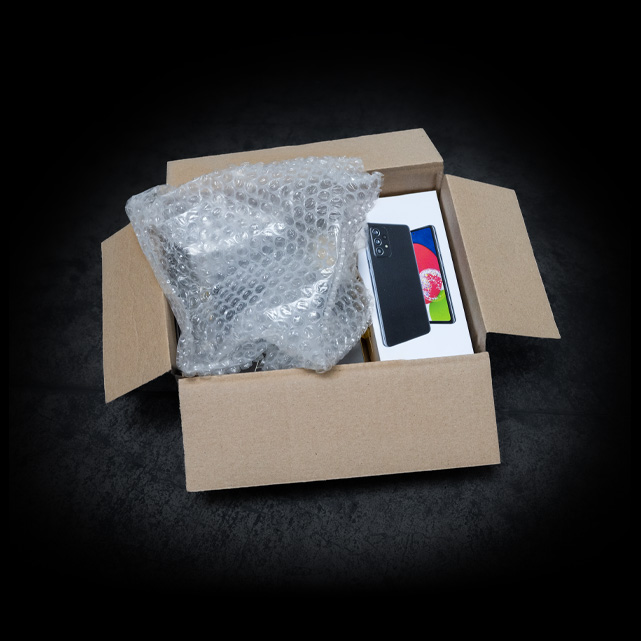
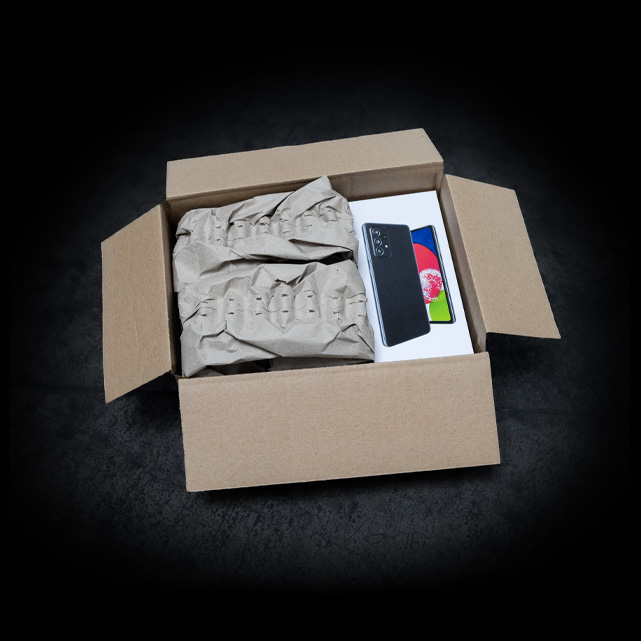
Paper-based cushioning made from recovered paper can provide an alternative to plastic cushioning materials in suitable applications. It helps absorb shocks and protect products from impacts and movement during transit.
Void Fill: Plastic to paper
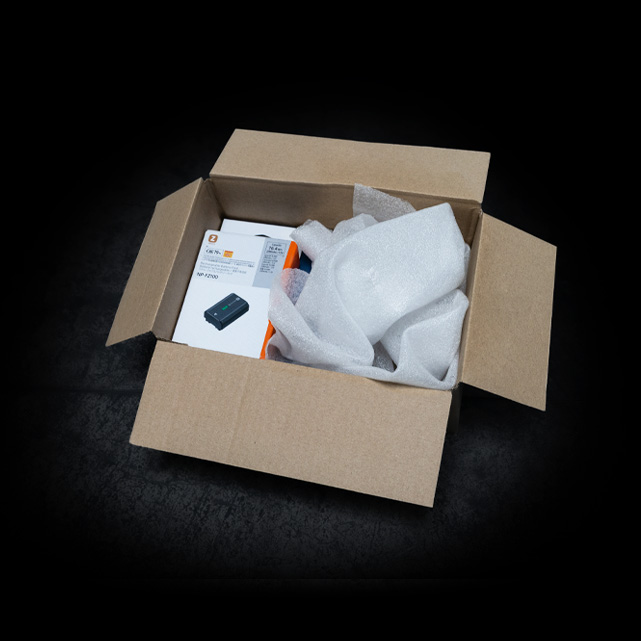
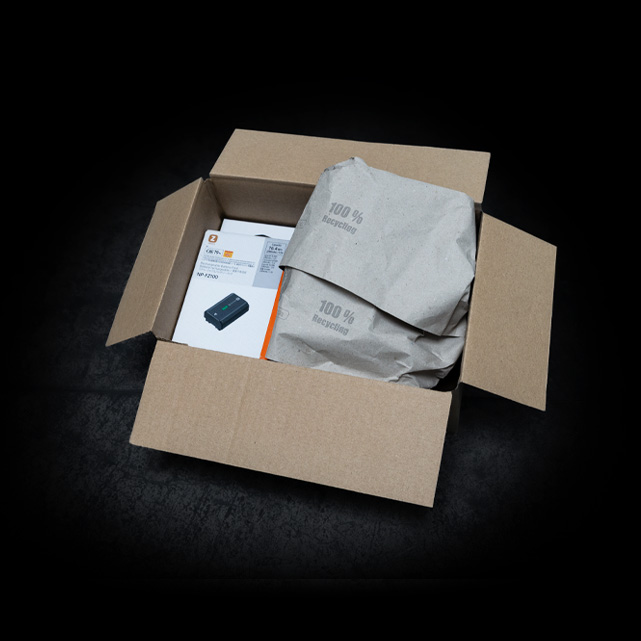
Paper-based void fill made from recovered paper can provide an alternative to plastic filling materials in suitable applications. It fills empty spaces in shipping boxes and helps prevent products from shifting during transit.
Using resources more efficiently with recovered paper
Using recovered paper keeps valuable paper fibers in circulation by giving existing material a new purpose. Turning these fibers into new protective packaging supports a more circular use of resources.

Our packaging paper is made from 100% recovered paper, so no virgin fibers are needed to produce it.

For graphic paper produced in Germany, the Initiative Pro Recyclingpapier sustainability calculator indicates energy savings of approximately 68% for recycled paper compared with virgin-fiber paper.¹

Paper fibers can be recycled 10 to 25 times, helping keep valuable raw materials in circulation.²
Packaging requirements are changing across the U.S.
In several U.S. states, packaging regulations are evolving as states introduce new requirements focused on recycling, waste reduction, and producer responsibility. Extended producer responsibility (EPR) programs are adding new obligations for certain producers and other obligated businesses, with requirements varying by state.
For companies selling packaged products in affected U.S. states, these developments make recyclability, material choice, and packaging design increasingly important considerations when evaluating packaging solutions.
Producer responsibility for packaging is under review
Illinois law requires a statewide assessment of recycling, composting and reuse conditions for packaging and paper products. An Advisory Council is also tasked with evaluating how a producer responsibility program could be established and implemented in the state, with recommendations due by December 1, 2026.6
For businesses selling into Illinois, this review highlights the importance of tracking potential EPR requirements when planning packaging strategies.
A major shift toward producer responsibility
California’s SB 54 establishes an Extended Producer Responsibility (EPR) program for single-use packaging and plastic food service ware. By 2032, the law calls for a 25% reduction in plastic covered material, a 65% recycling rate for plastic covered material, and covered material to be recyclable or compostable.³
For businesses selling into California, SB 54 makes recyclability, material choice and packaging design increasingly important considerations.
Moving away from polystyrene packaging
New York prohibits certain expanded polystyrene (EPS) foam food service containers and polystyrene loose fill packaging, including packing peanuts. The state encourages businesses transitioning away from EPS foam to consider reusable, recyclable, compostable and recycled-content alternatives.⁴
For protective packaging, the ban makes material choice particularly relevant when businesses evaluate alternatives to polystyrene loose fill.
covered producers must register, report and pay
Under Oregon’s Recycling Modernization Act, producers of packaging covered by the Act must register with an approved Producer Responsibility Organization, report data on covered products supplied in or into Oregon and pay membership fees.⁵
For businesses supplying covered packaging into Oregon, these obligations make packaging material types, quantities, and associated EPR fees important considerations when evaluating packaging solutions.
Paper-based protection for your packaging operations
Sustainable packaging needs to protect products reliably and work efficiently within your packaging process. Papier Sprick combines paper made from recovered materials with packaging systems designed for shipping and fulfillment operations.
From cushioning fragile products to filling empty space in shipping boxes, our paper-based solutions offer an alternative to plastic protective packaging in suitable applications.
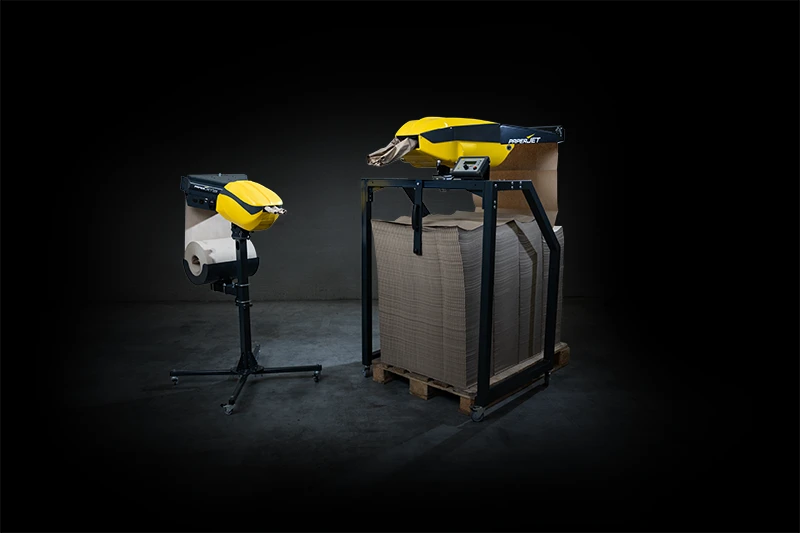
Cushioning Systems
Paper-based cushioning helps protect fragile and sensitive products throughout transit. Our systems turn recycled paper into protective cushioning directly at the packing station, helping absorb shocks and reduce product movement inside the box.
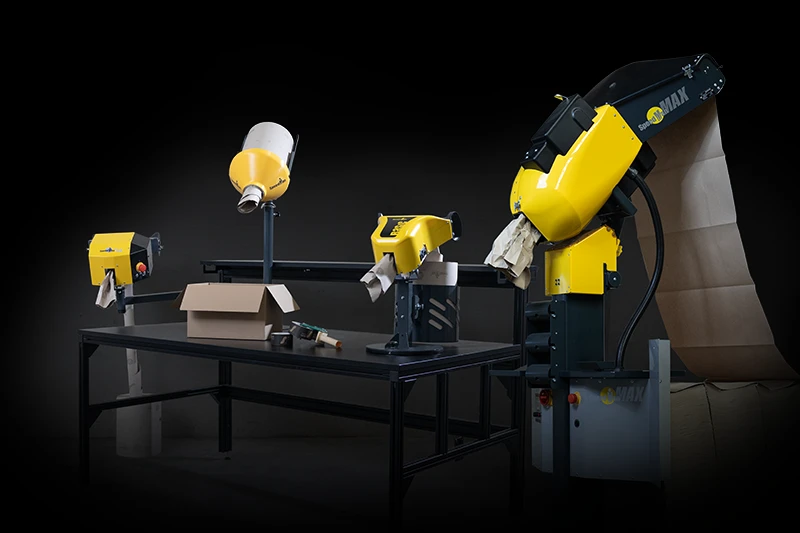
Void Fill Systems
Fill empty spaces efficiently and help limit product movement inside the box. Our paper-based void fill systems provide an alternative to plastic air pillows and other plastic void fill materials in suitable applications.
Ready to make your packaging more sustainable?
Our packaging experts can help you identify paper-based solutions that match your products, packaging process and sustainability goals.
Request a test setup now, or give me a call and we’ll discuss the next steps.
I look forward to hearing from you.

James Kittendorf
Sustainable paper packaging at a glance
- 100% recovered paper: Papier Sprick’s packaging paper is made entirely from recovered paper, keeping existing paper fibers in circulation.
- Paper-based protection: Recycled paper can be used for protective packaging applications such as cushioning and void fill.
- An alternative to plastic: Paper-based solutions can provide an alternative to plastic cushioning and void fill materials in suitable applications.
- Keeping fibers in circulation: Paper fibers can be recycled between 10 and 25 times, helping valuable raw materials remain in use longer.²
- A changing U.S. landscape: State packaging requirements are evolving, including EPR obligations, restrictions on certain materials, and assessments of potential future programs.
Sustainable paper packaging
1. What is sustainable paper packaging?
Sustainable paper packaging uses paper-based materials to protect products while considering factors such as resource use, recyclability and circular material flows. Using recovered paper as a raw material helps keep existing paper fibers in circulation.
2. What is recovered paper?
Recovered paper is used paper and paperboard that has been collected for recycling instead of being disposed of as waste. It can be processed into new paper products, including paper used for protective packaging.
3. What is Papier Sprick packaging paper made from?
Papier Sprick’s packaging paper is made from 100% recovered paper. We process recovered paper in our own paper mills to produce paper specifically developed for protective packaging applications such as cushioning and void fill.
4. Can paper packaging replace plastic protective packaging?
In suitable applications, paper-based packaging can provide an alternative to plastic protective packaging such as air pillows and other plastic cushioning or void fill materials. The right solution depends on the product, required level of protection and packaging process.
5. How are packaging requirements changing in the U.S.?
Packaging requirements vary by state. Illinois is assessing its recycling needs and evaluating how a packaging producer responsibility program could be established.⁶ California’s SB 54 establishes an extended producer responsibility (EPR) program for single-use packaging and single-use plastic food service ware.³ New York prohibits certain expanded polystyrene foam food service containers and polystyrene loose fill packaging, including packing peanuts.⁴ In Oregon, obligated producers must register with an approved producer responsibility organization, report covered product data, and pay membership fees.⁵
For businesses, these developments make material choice, recyclability, and packaging design increasingly important considerations.
6. How can businesses reduce plastic in their protective packaging?
Businesses can start by identifying applications where plastic protective materials can be replaced with suitable paper-based alternatives. Cushioning and void fill are two areas where paper-based solutions can help reduce the use of plastic while providing the protection required during transit.
7. Can Papier Sprick paper packaging systems support high-volume fulfillment operations?
Yes. Papier Sprick offers paper cushioning and void fill systems for a range of packaging operations, from individual packing stations to high-volume fulfillment environments. Our systems can be integrated into existing packaging processes to support efficient paper-based protective packaging.